Sub-Total: $0.00 USD
Endocrine Disruptor Screening
Endocrine-disrupting chemicals (EDCs) are compounds found in the environment, food sources, and personal care and other manufactured products that inhibit the body’s normal endocrine functions. EDCs can alter drug and xenobiotic metabolic processes and interfere with the production, release, metabolism, and elimination of naturally occurring hormones.

Long Content Section
Endocrine-disrupting chemicals (EDCs) are a variety of compounds found in the environment, food sources, and personal care and other manufactured products that inhibit the body’s normally functioning endocrine system. The endocrine system consists of the glands and organs that create, store, and release hormones throughout the body to regulate its healthy development and function throughout life. The hormones released by the endocrine system control many important functions in the body, including growth and development, metabolism, and reproduction.
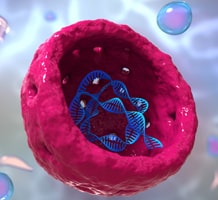
EDCs can affect the endocrine system in four main ways: 1). Inhibit binding of the natural hormone to the ligand binding domain of a NR (competition for binding); 2). Affect NR signaling via partial agonist response, coactivator activity, DNA structure or competitive transcription factor association; 3). Affect the expression of enzymes involved in hormone synthesis, degradation or transport; and, 4). Directly effect on activity of enzymes involved in hormone synthesis, degradation or transport.
People can be exposed to EDCs through the air, water, food, and skin. EDCs can be industrial chemicals and pesticides, skin and beauty products, processed foods with traces of EDCs from the materials used in manufacturing and distribution, furniture containing lead, flame retardants, and PCBs; and even chemicals produced by plants, called phytoestrogens, that mimic the hormone estrogen.
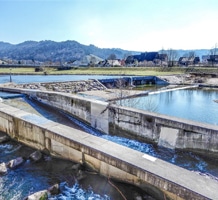
Since EDCs are so prevalent in everyday life, it is important to take the proper measures to reduce the risk of their effects on humans and the environment. Government-required testing has been implemented to monitor and test waterways for waste from outfalls of sewage treatment and disposal, industrial and agricultural wastewater management, and surface runoff from construction sites. Environmental assessments are conducted for certain policies, programs, and projects to prevent possible risks to humans and the environment. These regulated tests and assessments aid in ensuring waterways are safe from EDCs or identify if emergency action is needed to remedy pollutants.
While it is possible to identify specific EDCs through traditional chemistry-based water quality assessments, these assessments only approximate possible risk. Also, analytical chemistry methods do not consider other compounds found in the environment and their potential effects on the chemical being assessed and how it interacts with the endocrine system. Since endocrine disruption can cause a wide range of reproductive, neurological, or metabolic defects in humans and wildlife, it is important to have precise measures assessing them.