Sub-Total: $0.00 USD

INDIGO Blog
View our most recent posts to learn more about various types of receptors, cell-based assays, and their use in drug discovery and environmental testing applications.
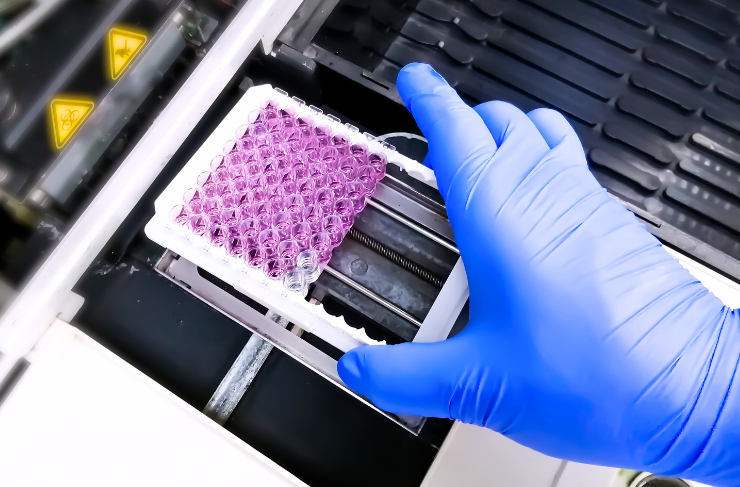
Reporter Assays for Biologics: Moving from Binding to Functional Characterization
Biologics have transformed drug discovery by enabling researchers to target disease biology with a level of specificity that is often difficult to achieve with traditional small molecules. Monoclonal antibodies, therapeutic proteins, peptides, and other biologic modalities can selectively engage receptors, ligands, and cell-signaling mechanisms involved in disease. However, their complexity can also make functional characterization…
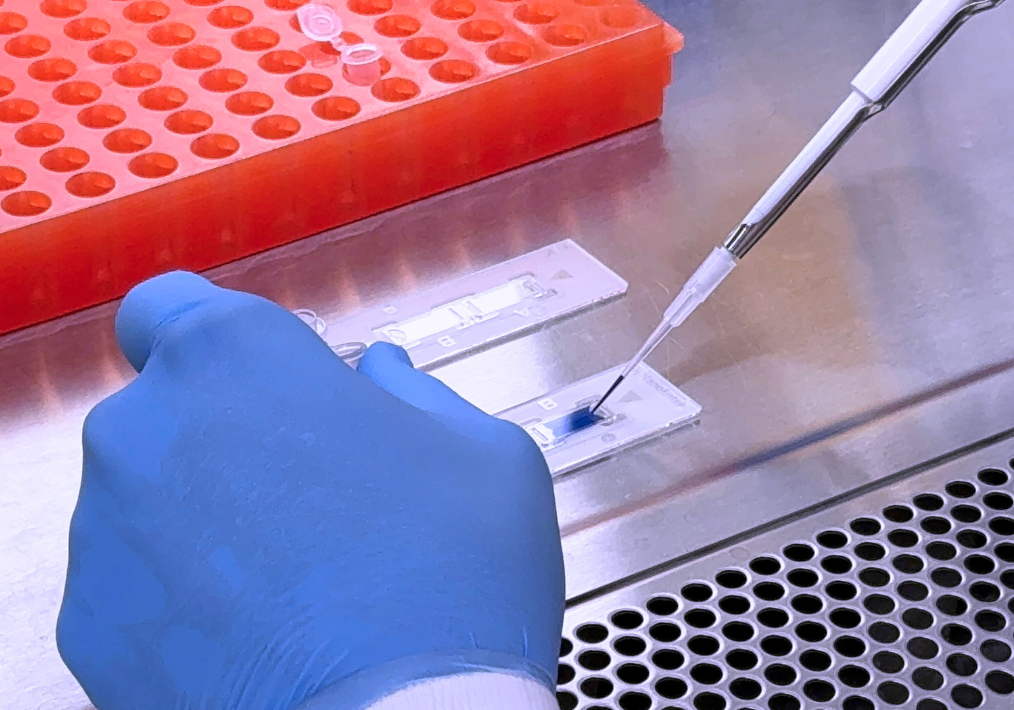
Transient Transfection vs. Stable Transduction for Luciferase Reporter Assays
Cell-based luciferase reporter assays are used to measure functional receptor activity, gene expression responses, and transcriptional regulation in a cellular assay format. Reporter cells are engineered with a luciferase reporter that produces a measurable signal in response to activation or inhibition of a target receptor signaling pathway. Depending on the assay design, the target receptor…

Reporter Gene Assay Protocol: Key Steps, Controls, and Best Practices
A well-designed reporter gene assay protocol helps researchers measure functional receptor or transcription factor activity with consistency and confidence. Unlike binding assays, which assess whether a compound interacts with a target, reporter gene assays measure a functional cellular response associated with target or signaling-pathway activity. This makes them valuable for evaluating agonism, antagonism, potency, efficacy,…

Unintended Receptor Activity in Industrial Chemicals: Why R&D Teams Should Screen Early
Industrial chemicals are often evaluated for performance, stability, manufacturability, and compliance before they reach the market. However, a compound that performs well in its intended application may also activate or inhibit biological receptors in ways that were not anticipated during development.Screening for unintended receptor activity in industrial chemicals can help research and development (R&D) groups…

Cell-Based Reporter Assays vs Binding Assays: When Drug Discovery Teams Need Functional Data
Choosing the right assay strategy is a critical step in receptor-targeted drug discovery. Binding assays are often used to determine whether a compound interacts with a receptor, while cell-based reporter assays evaluate what happens after that interaction occurs.The most informative approach is often not choosing one assay over the other. It is understanding when binding…