Sub-Total: $0.00 USD
Endocrine Safety Screening
Functional Hormone Receptor Screening to Support Early Compound Derisking
INDIGO BIOSCIENCES provides endocrine safety screening using cell-based luciferase reporter assays to evaluate compound activity at selected human hormone receptors. These studies help researchers identify unintended receptor activation or inhibition, compare compounds, and prioritize findings for further investigation.
From focused endocrine safety panels to expanded nuclear receptor profiling, INDIGO configures studies around your compounds, development stage, and safety questions. Functional receptor data can support lead optimization, early derisking, and follow-up characterization.
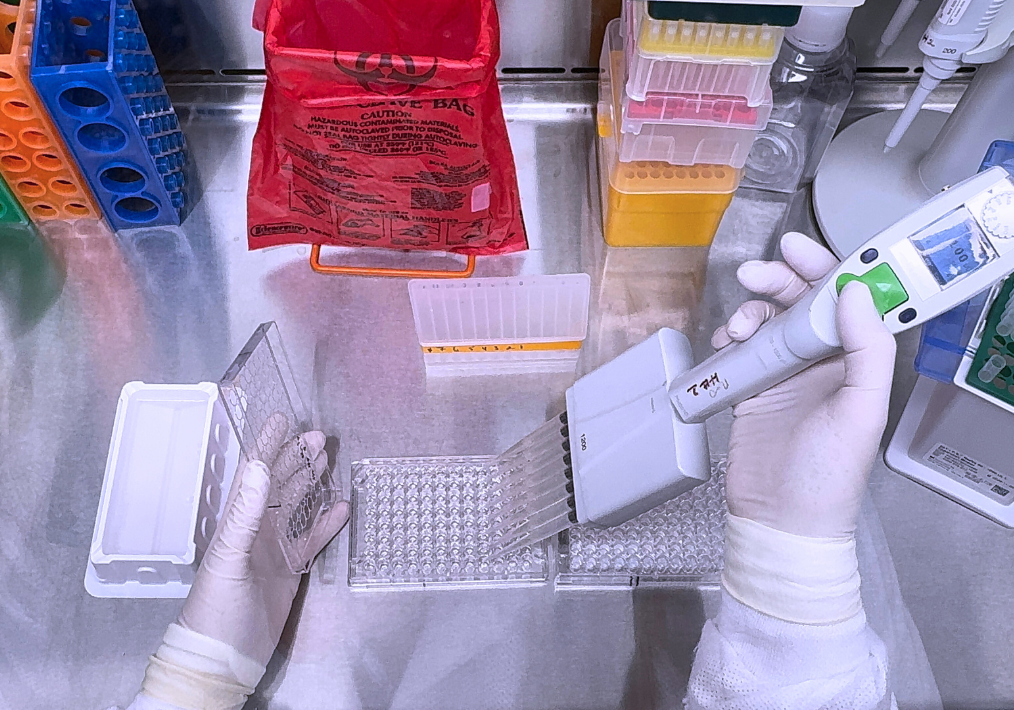
Endocrine Safety Screening Across Human Hormone Receptors
INDIGO offers comprehensive panels of cell-based, functional nuclear receptor assays designed to evaluate endocrine and receptor-mediated activity across key human signaling pathways.
Our assays focus on functional receptor activation or inhibition, rather than binding alone, providing biologically meaningful insight into how compounds modulate hormone-regulated pathways in intact cellular systems.
Studies can include agonist testing, antagonist testing, or both. Select focused receptor coverage or expand your panel based on your compound’s intended mechanism and potential off-target concerns.
Endocrine safety screening targets include:
- Estrogen receptors (ERα and ERβ)
- Androgen receptor (AR)
- Thyroid hormone receptors (TRα and TRβ)
Expanded profiling based on program-specific questions, such as PPARs, LXRs, and FXR. Additional targets can be selected based on your compound’s intended mechanism or specific safety concerns.

Configure Your Endocrine Safety Panel
INDIGO’s endocrine studies are designed to integrate seamlessly into discovery and safety workflows, with flexibility to match compound class, regulatory context, and development stage.
Available options include:
- Concentration–response testing for potency and ranking
- Agonist, antagonist, or dual-mode assessment
- Focused receptor panels or expanded profiling
- Comparative testing across compound series
- Integration with metabolism, liver safety, or off-target panels
Start with the receptor coverage relevant to your program, then use the findings to guide additional testing where needed.
Use Endocrine Safety Screening Data to Prioritize Compounds
Data generated from INDIGO’s endocrine disruptor testing assays are designed to be interpretable and actionable, rather than purely descriptive. Clients use the results to:
- Rank compounds based on relative receptor activity
- Identify off-target or unintended hormone receptor activity
- Guide structure–activity relationship (SAR) optimization
- Inform integrated safety assessments alongside liver or DDI data
- Support internal go/no-go decisions with mechanistic context
Outputs typically include concentration–response curves, potency values, and receptor-specific activity profiles suitable for internal reporting or regulatory-facing documentation.


Common Applications of Endocrine Safety Screening
INDIGO’s Endocrine Safety Screening services can help teams:
- Screen compounds for unintended activity at hormone receptors
- Identify potential receptor-mediated safety liabilities during lead optimization
- Support chemical safety investigations
- De-risk programs prior to in vivo studies
- Provide human-relevant data for NAM-based safety strategies
- Investigate whether metabolic conversion changes the observed receptor activity
Early identification of endocrine activity enables teams to refine chemistry, adjust exposure strategies, or deprioritize compounds before costly downstream investment.
How Functional Screening Contributes to Endocrine Safety Assessment
Endocrine safety screening investigates whether a compound activates or inhibits selected hormone receptors. Functional reporter assays characterize the resulting receptor-mediated transcriptional response, providing mechanistic information to guide further evaluation.
When metabolism is relevant to the research question, complementary metabolism-enabled studies can help investigate whether metabolic conversion changes the observed receptor response.
By focusing on functional outcomes, these assays provide clearer insight into potential endocrine risk earlier in development.
INDIGO’s functional endocrine profiling approach allows you to:
- Detect biologically relevant receptor activation or inhibition
- Identify partial agonism or mixed-mode activity
- Reveal off-target receptor effects beyond the intended mechanism
- Evaluate metabolism-dependent effects on endocrine receptor modulation
- Generate data aligned with human-relevant NAM strategies and AOP driven risk assessment
Request Endocrine Safety Screening
Start a conversation with our scientists to define the right study for your program.

Submit Your Compound and Study Goals
Share basic information about your compound, development stage, and safety questions. This allows our team to recommend an appropriate endocrine screening strategy.
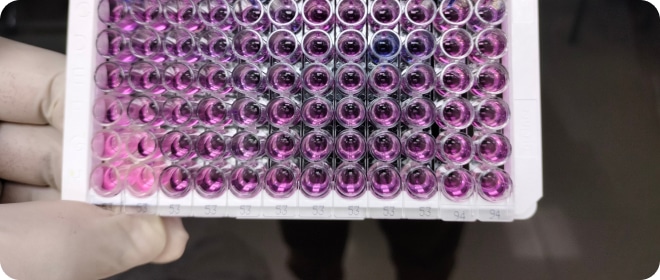
Review a Customized Study Proposal
You’ll receive a tailored study outline with recommended assays, timelines, and pricing designed to address endocrine safety risk relevant to your program.

Move Forward with Scientific Support
Once approved, INDIGO scientists coordinate study execution and remain available to discuss results, interpret findings, and plan next steps as needed.