Sub-Total: $0.00

Transcription Factor Assay Kits: Unveil the Possibilities
Unveil the power of our cell-based luciferase reporter Transcription Factor Assay Kits for your research.
Showing all 7 results
-
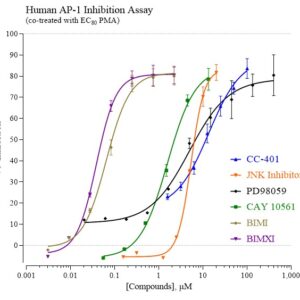
Human AP-1 Reporter Assay Kit
Species
Human
Target Type
Transcription Factor
Associated Disease
Cancer
-
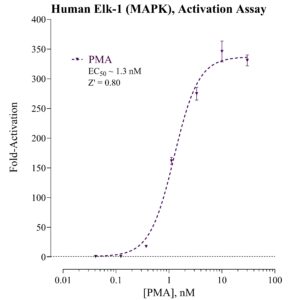
Human Elk-1 Assay Kit
Species
Human
Target Type
Transcription Factor
-
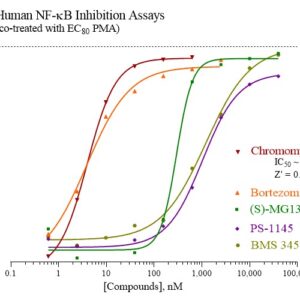
Human NF-κB Reporter Assay Kit
Species
Human
Target Type
Transcription Factor
Associated Disease
Autoimmune, Cancer, Cardiovascular, Dermatitis, Kidney Disease, Neurodegenerative
-
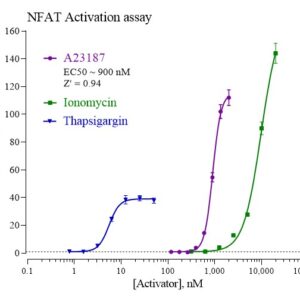
Human NFAT Reporter Assay Kit
Species
Human
Target Type
Transcription Factor
Associated Disease
Cancer
-
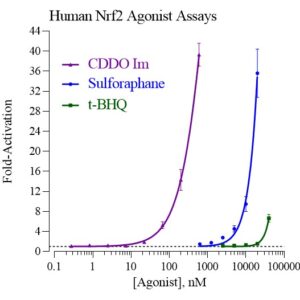
Human Nrf2 Reporter Assay Kit
Species
Human
Target Type
Transcription Factor
Associated Disease
Cancer, Cardiovascular, NASH/NAFLD, Neurodegenerative, Obesity, Reproduction
-
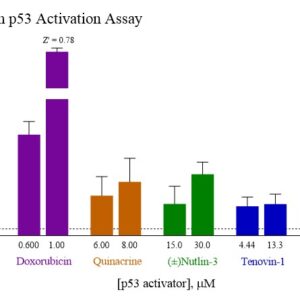
Human p53 Assay Kit
Species
Human
Target Type
Transcription Factor
Associated Disease
Autoimmune, Cancer, Cardiovascular, Neurodegenerative, Obesity, Osteoporosis, Reproduction
-
Human TEAD4/YAP Assay Kit
Species
Human
Target Type
Transcription Factor
Associated Disease
Cancer, Cardiovascular, Kidney Disease, Neurodegenerative, Obesity, Reproduction
Transcription Factors: Regulating Gene Expression and Cellular Responses
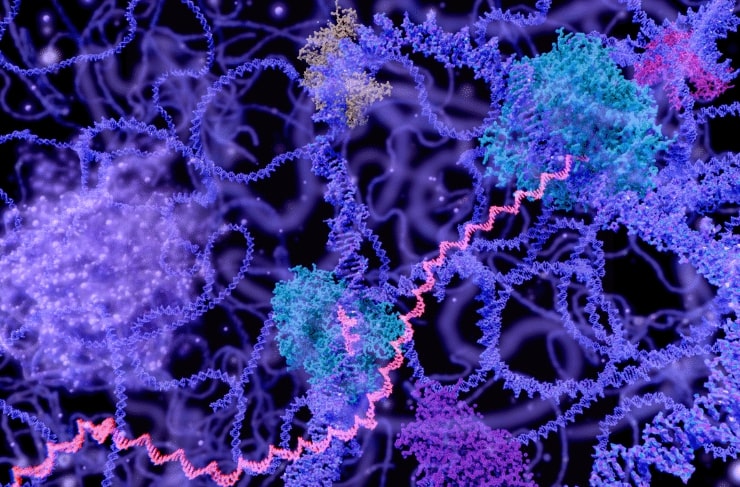
Transcription factors are important proteins that play a crucial role in regulating gene expression by binding to specific DNA sequences. These receptors are often found within the cell's nucleus and act as sensors, detecting signals from the external environment or cellular processes.
Upon signal activation, transcription factors undergo conformational change, bind to DNA, then directly influence gene transcription. By binding to DNA sequences known as response elements, transcription factors can either activate or repress the expression of target genes, and thereby modulate various cellular processes and responses.
Transcription factors are involved in a wide range of biological functions, such as embryonic development, immune response, and hormone signaling. Their ability to integrate external signals and initiate gene expression programs makes them key regulators of cellular behavior and adaptation.
Understanding the mechanisms and functions of transcription factors provides insight into how cells perceive and respond to their environment, thus highlighting their significance in various physiological and pathological contexts.