Sub-Total: $0.00 USD
Using Bioassays to Assess Toxicity in Complex Environmental Samples
Environmental monitoring has long relied on chemical analysis to identify contaminants and assess risk. That remains essential, but chemical data alone does not always show how real-world samples behave biologically. Surface water, groundwater, wastewater, and sediments often contain complex mixtures of known and unknown substances, making it difficult to determine which components are driving toxicological concern.
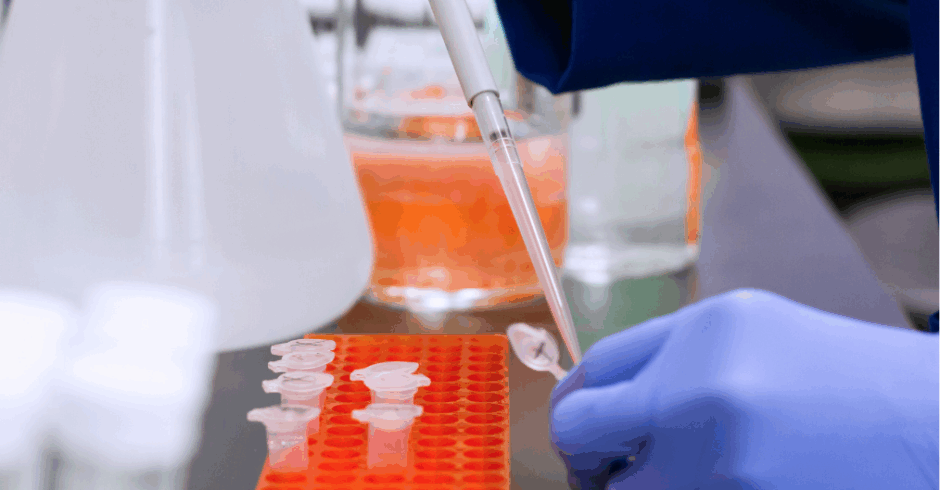
Bioassays help close that gap by directly measuring biological activity. Used alongside chemical analysis, they can reveal whether a sample activates pathways of toxicological concern, helping researchers interpret mixture effects and prioritize follow-up testing.
Why Bioassays Matter in Environmental Toxicology
Targeted analytical methods provide specificity and quantitative data, but they can only measure compounds for which a method has been developed. In complex mixtures, biologically active substances may be unknown, non-targeted, or present at low concentrations. Even when multiple chemicals are identified, their combined effects may not be clear from chemical analysis alone.
Effect-based methods provide a different kind of evidence. In vitro bioassays assess whether a sample activates or inhibits pathways linked to endpoints such as endocrine signaling, xenobiotic metabolism, receptor-mediated toxicity, or adaptive stress responses. That makes them useful for showing whether contamination is associated with biologically relevant activity, not just chemical presence.
Interpreting Bioassay Results
Mechanism-based bioassays are especially useful in mixture assessment because they can reveal which biological pathways may be perturbed in an exposed population. Reporter gene assays are commonly used for this purpose because they translate receptor activation or transcriptional signaling into a measurable output, often via a luciferase-based readout.
Tools such as bioanalytical equivalent concentrations, or BEQs, help standardize comparisons across samples by expressing mixture activity as the equivalent concentration of a reference compound. Effect-based trigger values, or EBTs, add context by helping distinguish responses that are less likely to indicate concern from those that may warrant further investigation. Used together, these frameworks help translate assay data into more practical screening information.
Mechanistic frameworks such as Adverse Outcome Pathways can further strengthen interpretation by linking early molecular activity to broader toxicological relevance. While not every assay maps neatly onto a complete pathway, this context helps explain why a given signal matters and how it may guide next steps.
Where Bioassays Add Value
Environmental bioassays can support multiple monitoring applications. For example, estrogen receptor (ER) assays have been used to assess endocrine activity in aquatic environments, including wastewater-impacted rivers and treated effluents. Other assays examine aryl hydrocarbon receptor (AhR) activation or evaluate oxidative stress and adaptive stress signaling through pathways such as Nrf2 or NF-kB. Together, these endpoints provide a broader view of how complex samples interact with biological systems.
Building a More Useful Testing Workflow
The most informative environmental toxicology workflows combine chemistry with biological screening. Chemical analysis identifies and quantifies contaminants, while bioassays show whether those samples produce activity in pathways relevant to toxicological concern. This integrated approach can help researchers prioritize samples, assess treatment outcomes, and focus analytical resources where they are most needed.
For this data to be useful, assay performance is critical. Reproducible methods, appropriate controls, and reliable platforms are essential for generating results that can be compared across studies and monitoring programs. Reporter gene assays, including luciferase-based platforms such as those developed by INDIGO Biosciences, are well-suited to this kind of pathway-focused environmental screening.
A Smarter Approach to Environmental Toxicology
Bioassays do not replace chemical analysis. They complement it by providing biological context that can improve interpretation of complex environmental samples. In environmental toxicology, this makes them a practical tool for mixture assessment, prioritization, and more informed decision-making.
References
- Brack W, et al. (2019). Effect-based methods are key. The European Collaborative Project SOLUTIONS recommends integrating effect-based methods for diagnosis and monitoring of water quality. Environmental Sciences Europe. https://link.springer.com/article/10.1186/s12302-019-0192-2
- Escher BI, et al. (2018). Effect-based trigger values for in vitro and in vivo bioassays performed on surface water extracts supporting the environmental quality standards of the European Water Framework Directive. Science of the Total Environment. https://www.sciencedirect.com/science/article/pii/S0048969718303863
Open PDF: https://www.norman-network.net/sites/default/files/files/WG2/Escher%20et%20al.%20Effect-based%20trigger%20values%20for%20in%20vitro%20and%20in%20vivo%20bioassays%20performed%20on.pdf - OECD. Adverse Outcome Pathways. https://www.oecd.org/en/topics/sub-issues/testing-of-chemicals/adverse-outcome-pathways.html