Sub-Total: $0.00 USD

The Arginine Vasopressin Receptor (AVPR)
What is the Arginine Vasopressin Receptor (AVPR)?
The Arginine Vasopressin Receptor (AVPR) is a critical component of the endocrine system, involved in regulating water balance, blood pressure, and social behaviors. AVPR belongs to the G protein-coupled receptor (GPCR) family and is activated by the neuropeptide arginine vasopressin (AVP), also known as antidiuretic hormone (ADH). There are three primary subtypes of the Arginine Vasopressin Receptor: AVPR1A, AVPR1B, and AVPR2, each with distinct tissue distributions and physiological functions.
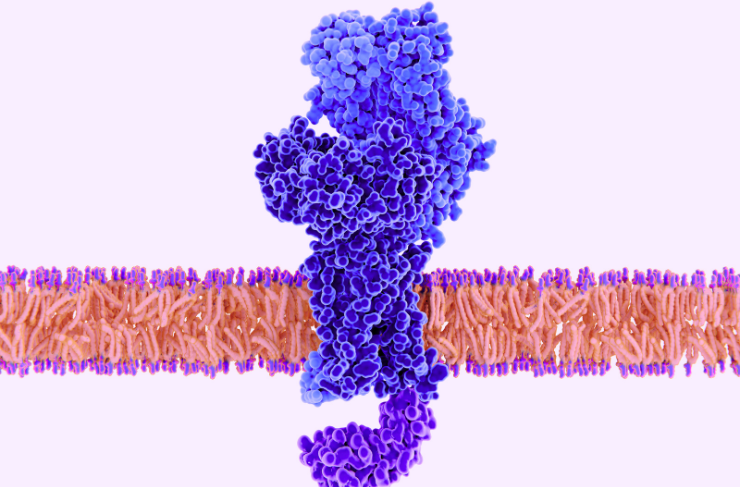
AVPR's Role in Human Physiology
AVPRs play essential roles in maintaining homeostasis and influencing a variety of physiological processes. The different receptor subtypes are expressed in specific tissues, mediating diverse biological effects:
- AVPR1A: Predominantly found in vascular smooth muscle cells, liver, kidney and brain, AVPR1A mediates vasoconstriction, liver glycogenolysis, and modulates social behaviors, including aggression and social communication.
- AVPR1B: Primarily expressed in the anterior pituitary gland, AVPR1B regulates the release of adrenocorticotropic hormone (ACTH), which is involved in the stress response. It is also found in certain brain regions and plays a role in social behavior and stress-related disorders.
- AVPR2: Located mainly in the kidney's collecting ducts, AVPR2 is crucial for regulating water reabsorption and maintaining water balance and blood pressure. It is also present in vascular endothelium and some other tissues.
The activation of AVPR by its ligand, arginine vasopressin, triggers various intracellular signaling pathways, leading to physiological responses that are critical for fluid balance, vascular tone, and social behavior modulation.
AVPR’s Role in Disease and Drug Discovery
Dysregulation of AVPR signaling is associated with several diseases and disorders, making it a significant target for therapeutic intervention:
- Hyponatremia and Water Imbalance: Disorders of water balance, such as hyponatremia, can result from inappropriate AVPR2 activation, leading to excessive water reabsorption. Conditions like the Syndrome of Inappropriate Antidiuretic Hormone Secretion (SIADH) involve abnormal AVP release and AVPR2 activation.
- Cardiovascular Diseases: Abnormal AVPR1A signaling can contribute to hypertension and other cardiovascular conditions due to its vasoconstrictive effects.
- Neuropsychiatric Disorders: AVPRs, particularly AVPR1A and AVPR1B, have been implicated in neuropsychiatric disorders such as depression, anxiety, and autism spectrum disorders. Their roles in stress response and social behavior make them promising targets for novel treatments.
- Genetic Disorders: Mutations in the AVPR2 gene are responsible for X-linked nephrogenic diabetes insipidus, a condition characterized by the kidney's inability to concentrate urine.(2)
Given the diverse roles of AVPRs in health and disease, there is significant interest in developing drugs that target these receptors. For example, AVPR antagonists (vaptans) are used to treat conditions like hyponatremia, while AVPR agonists are being explored for their potential to enhance social functioning in disorders like autism.
INDIGO's AVPR Reporter Assays
Designed to facilitate research into AVPR receptor signaling and drug discovery, INDIGO Biosciences’ AVPR1A Reporter Assay, AVPR1B Reporter Assay, and AVPR2 Reporter Assay offer a comprehensive platform for evaluating AVPR activity and screening potential therapeutic compounds. Our assays provide researchers with an all-inclusive luciferase reporter system that includes—in addition to engineered, pre-transfected reporter cells—optimized media for use during cell culture and in diluting the user’s test samples, a reference agonist, luciferase detection reagent, and a cell culture-ready assay plate. INDIGO Biosciences can also perform the AVPR assay in our lab as a service for researchers.
INDIGO’s cell-based reporter assays allow scientists to accelerate the drug discovery process and enable the development of novel therapies for AVPR-related diseases. They provide an efficient way to examine a compound for its ability to regulate receptor activity in agonist, inverse-agonist, or antagonist mode using luciferase reporter gene technology. Since the receptor binding controls the expression of the luciferase reporter gene, luciferase activity in the cells can be correlated directly with the activity of the receptor.
INDIGO Biosciences provides comprehensive technical support and expertise to assist researchers in interpreting AVPR reporter assay results. Contact us today to learn more about INDIGO's AVPR reporter assay kits and our screening capabilities!