Sub-Total: $0.00 USD

Screening for Contaminants of Emerging Concern (CECs) with Cell-Based Bioassays
In recent years, contaminants of emerging concern (CECs) — such as pharmaceuticals, personal care products, and pesticides — have become a growing environmental threat. These substances, often undetected in traditional chemical screenings, can have effects on human health and aquatic ecosystems. A recent study, "Priority Screening of Contaminants of Emerging Concern (CECs) in Surface Water: Comparing Cell-based Bioassays and Exposure-Activity Ratios (EARs)," provides critical insight into how we can more effectively monitor water quality and prioritize the risks posed by these contaminants. The results of this study underscore the importance of effect-based screening methods, particularly those offered by INDIGO Biosciences, for safeguarding both human and environmental health.
Why the Study Matters
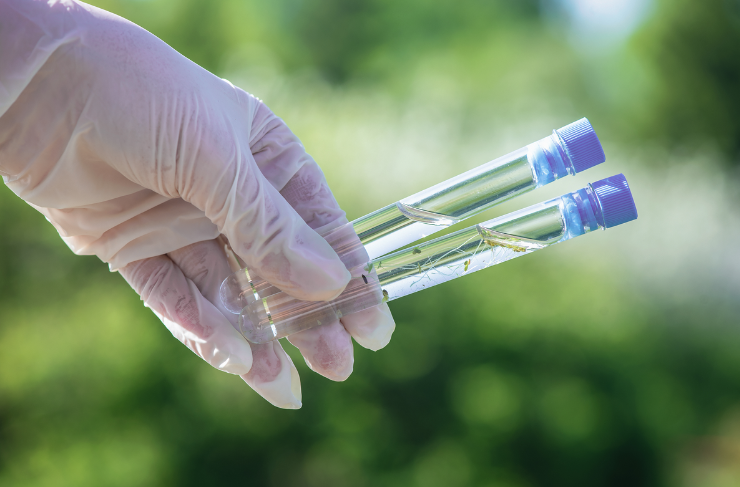
The research focuses on surface water samples from nine sites in Central Pennsylvania, assessing the overall water quality and potential sources of CECs. The study examined 46 CECs, including agricultural chemicals, personal care products, and pharmaceuticals, which are suspected of disrupting biological systems, including endocrine and metabolic functions, leading to potential health risks. The traditional approach of relying solely on chemical analysis is insufficient to capture the full scope of bioactive contaminants. This study demonstrates that effect- and cell-based bioassays provide a more comprehensive picture of water quality, detecting not only known contaminants but also unidentified bioactive substances that may otherwise be missed.
How INDIGO Biosciences Assays Enhance CEC Screening
INDIGO Biosciences, a leader in cell-based bioassays, played a pivotal role in this study by supplying key bioassays used to evaluate the molecular initiating events (MIEs) triggered by CECs. INDIGO’s assays, which examine receptors like the Aryl hydrocarbon receptor (AhR), Estrogen receptor (ER), and Androgen receptor (AR), revealed significant activity at various sites, signaling potential toxicity concerns. The bioassays highlighted the presence of endocrine-disrupting chemicals, which can interfere with hormone regulation, and provided critical data for prioritizing contaminated sites.
What makes INDIGO Biosciences assays particularly valuable is their ability to assess the activity of both known and unknown contaminants. This is crucial because traditional chemical screenings often focus on specific compounds, missing potential harmful interactions or unknown chemicals that may be present. INDIGO’s assays, by contrast, offer a more holistic view of environmental samples, measuring the biological effects of complex chemical mixtures and enabling more thorough assessments of water quality.
The Case for Effect-Based Bioassays
The study’s findings highlight the value of using effect-based bioassays, like those developed by INDIGO, over traditional methods such as the Exposure-Activity Ratio (EAR) approach. While EAR is useful for analyzing individual chemicals, it falls short in evaluating complex mixtures, especially when the contaminants are unknown and not quantified. INDIGO’s bioassays provide a much-needed layer of analysis by measuring how these mixtures affect specific biological pathways, from oxidative stress to endocrine disruption.
The research showed that receptors such as the Androgen receptor (AR) and Aryl hydrocarbon receptor (AhR) had activity levels that approached toxicological thresholds in several sites, indicating potential risks. These findings would not have been possible without the use of INDIGO’s advanced cell-based assays, which are designed to detect biological disruptions at the molecular level.
Advancing Environmental Health with INDIGO Biosciences
By employing INDIGO Biosciences’ bioassays, researchers can better prioritize which contaminants to address and where to focus remediation efforts. This approach not only provides a clearer understanding of water quality but also allows for faster, more targeted action to reduce public health risks. As contaminants of emerging concern continue to proliferate, the need for more advanced screening techniques, like INDIGO’s cell-based assays, will only grow.
In conclusion, INDIGO Biosciences is at the forefront of addressing one of today’s most pressing environmental challenges — ensuring the safety of our water systems by detecting and prioritizing the contaminants that pose the greatest risk. By providing cutting-edge bioassays, INDIGO is empowering researchers and environmental agencies to protect both ecosystems and public health.
Take action today! Learn more about how INDIGO Biosciences' assays can be integrated into your environmental toxicology studies and lead the way in water quality monitoring. Together, we can make a difference in safeguarding our future.