Sub-Total: $0.00 USD
Metabolism-Enabled Safety Screening
Understand how metabolism changes the biologic activity and safety profile of your compound.
A compound’s biological activity can change after it is metabolized, potentially altering receptor activation, pathway responses, toxicity profiles, or interaction potential. Incorporating metabolic processes into safety screening can provide a more complete understanding of a compound’s biological effects and help identify risks that may not be apparent in conventional in vitro assays.
INDIGO’s metabolism-enabled safety screening services combines upcyte® human hepatocytes and/or S9-based approaches with functional assay readouts to help determine whether metabolism increases, decreases, or changes a compound’s pharmacological or toxicological profile.

Reveal Biology That May Be Influenced by Metabolism
Understanding a compound’s activity before and after metabolic processing can provide valuable insights into its overall safety and pharmacology profile. Metabolism-enabled screening can help identify:
- Changes in receptor activation and signaling pathways
- Metabolism-related off-target activities
- Potential endocrine or toxicological liabilities
- CYP450 induction-related effects and potential drug-drug interaction risks
- Differences between pre- and post-metabolism biological activity
By incorporating metabolism-aware study designs into functional safety screening, INDIGO helps teams investigate whether metabolic processes influence observed biological responses. This can be especially valuable when a compound shows unexpected in vivo findings, structural alerts, hepatotoxicity concerns, endocrine activity, or CYP-related effects.
Leveraging INDIGO’s portfolio of functional reporter assays, clients can assess metabolism-related changes across a wide range of nuclear receptor providing a more comprehensive understanding of compound activity and safety.
From Compound Activity to Functional Safety Insight
Baseline Activity Assessment
The compound is evaluated in a defined in vitro assay system to establish baseline biological activity, toxicity, receptor activation, or pathway modulation, or toxicity response.
Metabolism-Enabled Evaluation
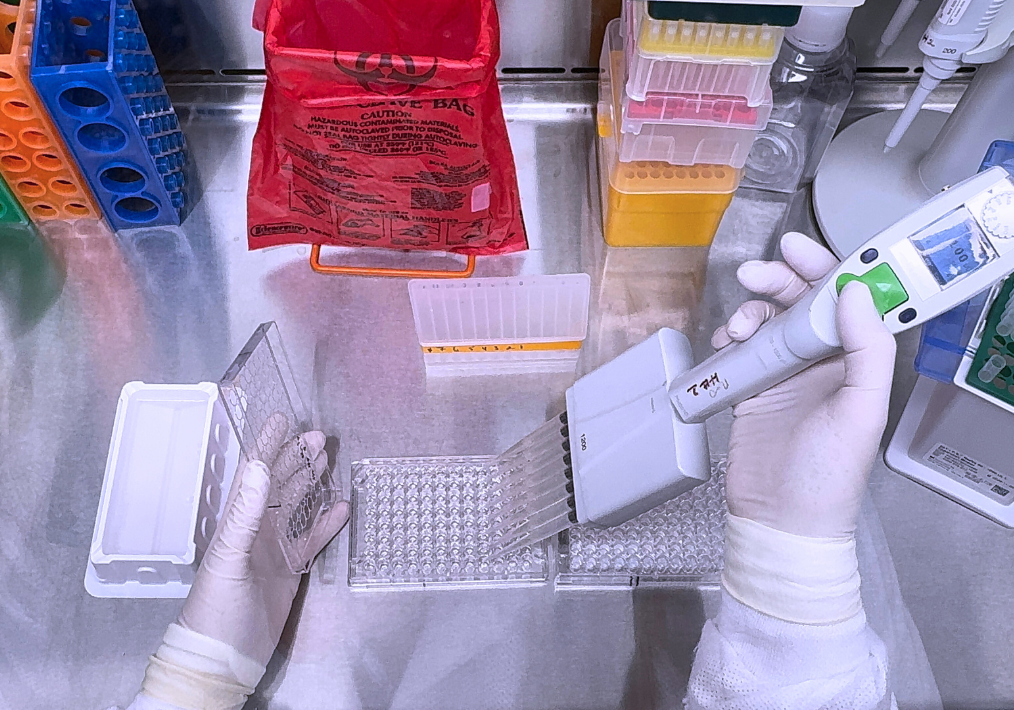
Depending on the study objectives, upcyte® human hepatocytes, animal hepatocytes, and/or S9-based systems can be incorporated to introduce metabolic processing and provide additional biological context.
Functional readout
Reporter assays, hepatocyte-based toxicity assays, receptor profiling, stress-pathway assays, CYP450-related effects, or targeted endpoints are used to evaluate biological activity in relevant assay systems.
Decision-ready comparison
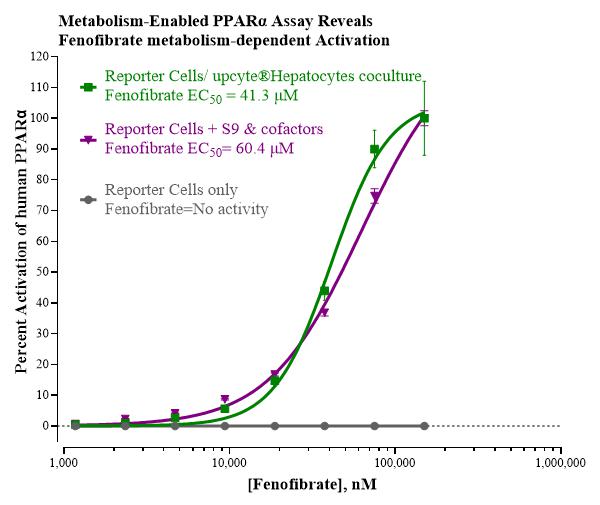
Biological responses observed under metabolism-enabled conditions are compared with baseline parent compound activity to identify potential changes in potency, efficacy, toxicity, receptor activation, or pathway modulation.
Metabolism-Enabled Safety Questions INDIGO Can Help Address
Metabolism-enabled safety screening can help answer questions such as:
- Does metabolic processing alter the biological activity of my compound?
- Does metabolic context increase or decrease a toxicity signal?
- Does receptor activation or pathway modulation change after metabolism?
- Are there metabolism related off-target effects that may affect safety?
- Could cyp450 induction or metabolism associated mechanism contribute to drug-drug interaction risk?
- Does a liver toxicity signal involve metabolic processing?
- Can metabolism-enabled testing help explain unexpected in vivo findings?
Use Metabolism-Enabled Safety Screening to Understand
Changes in biological activity after metabolism
A compound may show different biological activity following metabolic processing, including changes in potency, efficacy, receptor activation, toxicity, or pathway modulation.
Metabolism-associated toxicity
Safety signals may become stronger, weaker, or qualitatively different when metabolic processes are incorporated into the assay system.
Receptor and pathway responses
Metabolism-enabled screening can reveal changes in nuclear receptor activity, endocrine signaling, stress pathways, and other biologically relevant endpoints.
Drug-Drug interaction risk
Activation of pathways associated with cyp450 induction or other metabolic processes can provide insight into potential drug-drug interaction liabilities
Mechanistic Investigation of unexpected findings
Metabolism-enabled screening can help investigate unexplained findings from in vivo studies, hepatotoxicity assessments, broader toxicology programs, or development-stage safety packages.
Compare Biological Activity With and Without Metabolic Context
Depending on study design, INDIGO deliverables may include:
- Compound activity data without metabolic context
- Compound activity data with metabolic context
- Concentration-response curves
- Potency, efficacy, and toxicity comparisons
- Raw data files
- GraphPad Prism files when applicable
- PDF study report
- Scientist interpretation and recommended follow-up
These data can help teams identify metabolism-associated biological effects, evaluate potential safety liabilities, prioritize follow-up studies, guide structure–metabolism–safety optimization, and support internal go/no-go decisions with mechanistic context.
Why INDIGO for Metabolism-Enabled Safety?
Functional readouts
Assess biological activity directly using assays designed to capture pathway, receptor, or toxicity responses.
Metabolism-aware study design
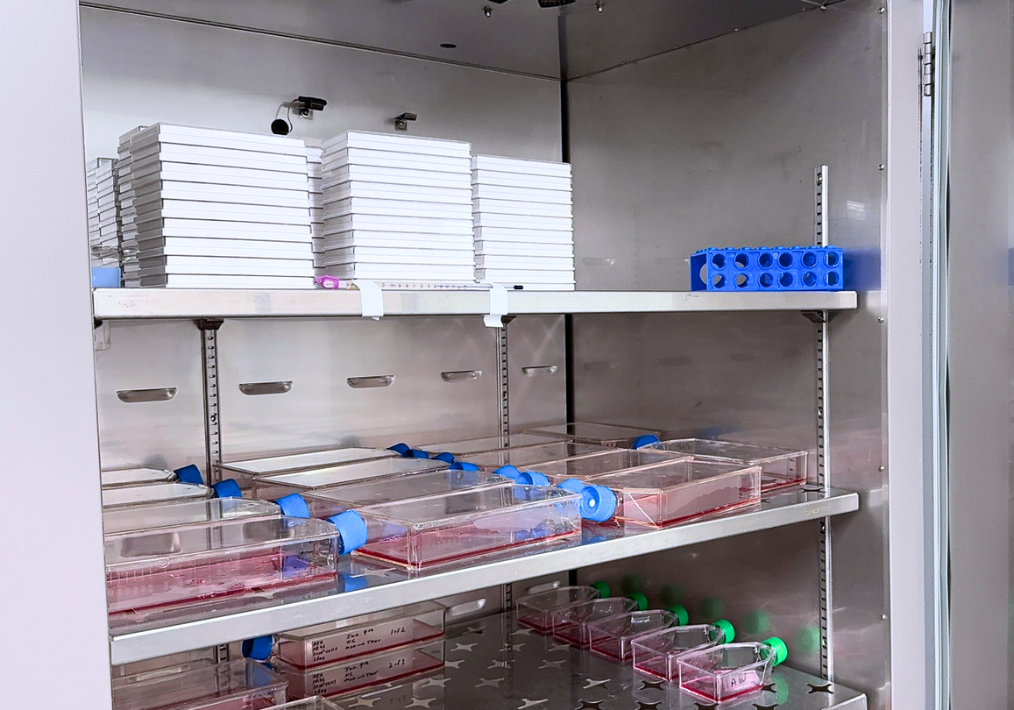
Use the upcyte® human hepatocyte model and/or S9-based approaches to support metabolism-enabled early safety insight and broaden study design options.
Integrated follow-up options
Move from metabolism-dependent findings into CYP450 assays, or gene expression analysis.
Scientist-guided interpretation
Work with INDIGO’s team to interpret whether metabolic context changes the safety profile of your compound.
Request a Metabolism-Enabled Safety Screen
INDIGO works closely with clients to design studies tailored to specific compounds, biological questions, safety screenings, and development objectives.
Submit Your Compound and Study Goals
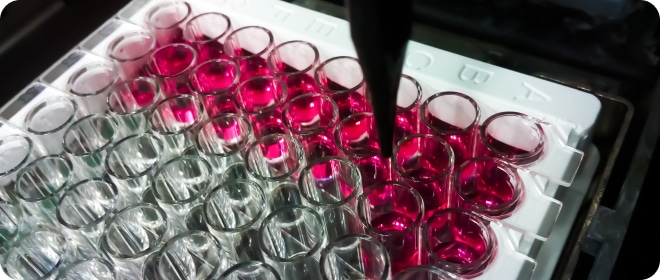
Provide basic information about your compound, development stage, known or suspected safety concerns, and the biological question you want to answer.
Review a Customized Study Proposal
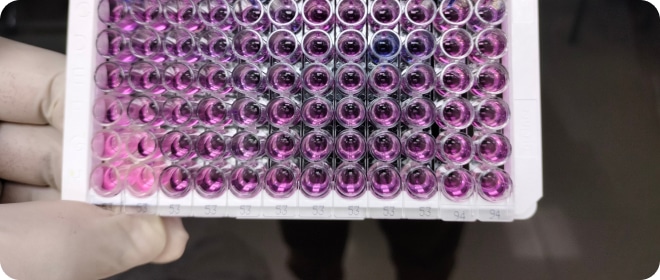
INDIGO scientists recommend an appropriate metabolism-enabled screening strategy, including assay design, endpoints, timelines, and pricing.

Move Forward with Scientific Support
Once approved, INDIGO coordinates study execution and remains available to discuss results, interpret findings, and plan recommended follow-up.