Sub-Total: $0.00
Assay Kits for Lead Discovery and Optimization: Precise & Dependable Solutions
Select the best leads today and accelerate drug development decisions for a successful tomorrow.
With INDIGO’s Assay Kits for Lead Discovery and Lead Optimization applications, you can:

Evaluate Drug Candidates’ Safety from Every Angle with INDIGO’s Drug Discovery Assays
Did you know that almost 90% of candidate drugs fail in the first stage of trials?
Your drug lead can reverse the trend!
With INDIGO’s in vitro drug discovery assays, save resources and energy by identifying and characterizing adverse effects and potential risks before your drug candidate progresses further in the drug development process.
Explore INDIGO’s in vitro solutions in the broad categories of Prospective Screens, Safety Pharmacology, and Retrospective Screens, and start focusing your efforts on the best drug leads only.

Prospective Screens
Explore drug-drug interactions with INDIGO’s Nuclear Receptor Profiling and accurately predict the adverse effects of your molecule of interest.
INDIGO Biosciences offers pre-clinical non-GLP Lead Discovery and Lead Optimization services to help researchers confirm the potency and efficacy of their compounds.

Safety Pharmacology
Evaluate your compounds on major receptors with INDIGO’s reporter assay panels to understand their biological and toxicological effects better.
Identify therapeutic agents with the highest selectivity and lowest potential for off-target and unwanted effects with INDIGO’s cell-based receptor assays.

Retrospective Screens
Unexpected results from clinical trials or animal studies? Trouble-shoot with INDIGO's large portfolio of ortholog assays to quickly determine if the response observed in laboratory animals is concordant with humans.
Explore Additional INDIGO’s in vitro Solutions to Improve Drug Discovery
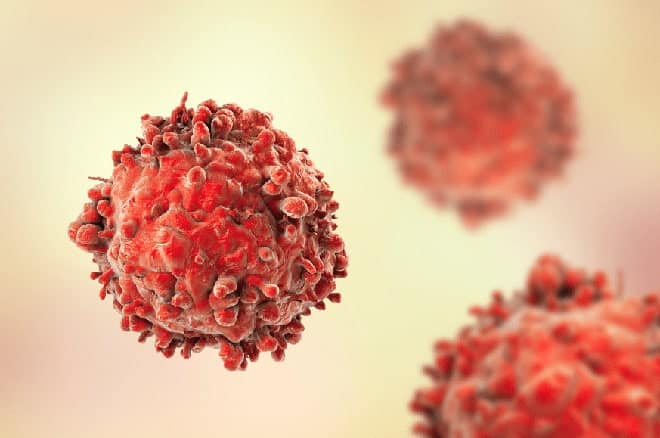
Quickly gain insights into the mechanisms underlying the involvement of key receptors in various diseases with INDIGO’s reporter assays.
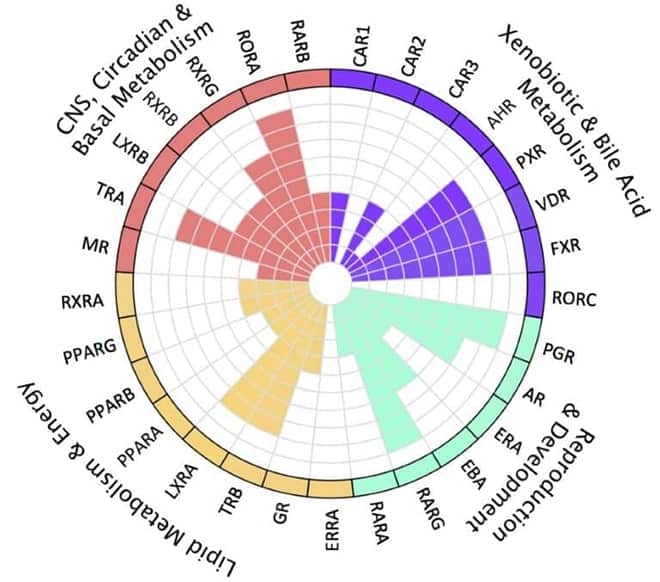
Understand a compound's on- and off-target effects and liabilities on overlapping pathways with nuclear receptors functional classifications.